Buyer's agents are brokers or sales representatives who assist purchasers by helping them buy property. Dual representatives help both the purchaser and the seller in the very same transaction. To protect their license to practice, a property broker owes both parties reasonable and truthful dealing and needs to ask for that both celebrations (seller and purchaser) sign a double firm contract. Special laws/rules typically apply to dual agents, especially in working out rate. In double firm situations, a conflict of interest is more likely to occur, generally resulting in the loss of advocacy for both celebrations. Private state laws differ and interpret dual agency rather differently, with some no longer enabling it.
If one representative from the brokerage has actually a house listed and another representative from that brokerage has a buyer-brokerage contract with a buyer who wants to buy the listed property, double company takes place by permitting each representative to be designated as an "intra-company" representative. Only the broker himself is the Double Representative. Deal brokers provide the purchaser and seller with a minimal form of representation but with no fiduciary responsibilities. Having no more than a facilitator relationship, deal brokers help purchasers, sellers, or both during the deal without representing the interests of either party who may then be considered customers.
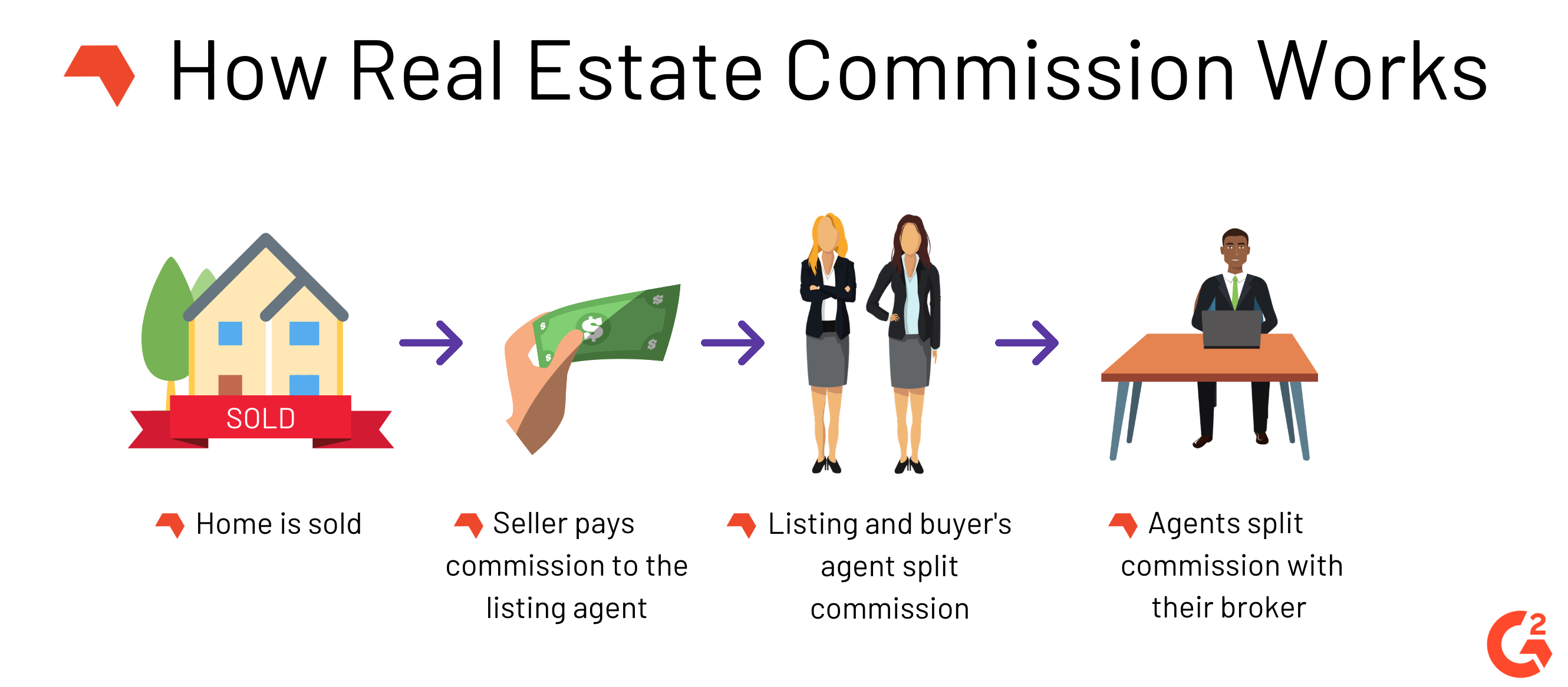
A property broker typically gets a property commission for effectively finishing a sale. Throughout the U.S. this commission can normally vary between 5-6% of the home's price for a complete broker but this portion varies by state and even region. This commission can be divided up with other taking part property brokers or representatives. Flat-fee brokers and Fee-for-Service brokers can charge substantially less depending on the kind of services used. In the United States, realty brokers and sales representatives are licensed by each state, not by the federal government. Each state has a real estate "commission" who keeps an eye on and certifies real estate brokers and representatives.
There are state laws specifying the types of relationships that can exist between clients and real estate licensees, and the legal responsibilities of property licensees to represent clients and members of the public. Rules differ considerably as defined by the law from state to state, for example, on topics that include what legal language is needed to move real property, firm relationships, inspections, disclosures, continuing education, and other subjects. In many jurisdictions in the United States, an individual must have a license to perform licensed activities, and these activities are defined within the statutes of each state. The main function of the requirement for having a license to carry out those activities is the work done "for compensation".
The 7-Minute Rule for How Much Is The Commission Of A Real http://shanejlvo587.bravesites.com/entries/general/top-guidelines-of-what-is-avm-in-real-estate Estate Agent
However, since the majority of individuals would expect to be made up for their efforts and abilities, a license would be required by law prior to a person they might receive remuneration for services rendered as a property broker or representative. Unlicensed activity is prohibited and the state property commission has the authority to fine individuals who are acting as property licensees, but buyers and sellers acting as principals in the sale or purchase of property are normally not needed to be accredited. It is very important to note that in some states, attorneys handle realty sales for settlement without being licensed as brokers or agents.
It can not hold true that an attorney can become a seller's selling agent if that is all the service that is being asked for by the client. Lawyers would still require to be certified as a broker if they want to carry out certified activities. Legal representatives do nevertheless get a break in the minimum education requirements (for instance, 90 hours in Illinois). letter to cancel timeshare Some state Property Commissions - especially Florida's after 1992 (and extended in 2003) and Colorado's after 1994 (with modifications in 2003) developed the alternative of having no company or fiduciary relationship between brokers and sellers or buyers. As noted by the South Broward Board of Realtors, Inc. How to become a real estate agent in ny.
The Transaction Broker is not a fiduciary of any party, but should abide by the law along with professional and ethical standards. What do real estate brokers do." (such as NAR Code of Ethics). The outcome was that in 2003, Florida created a system where the default brokerage relationship had "all licensees ... operating as transaction brokers, unless a single representative or no brokerage relationship is established, in composing, with the customer" and the statute required written disclosure of the transaction brokerage relationship to the purchaser or seller consumer just through July 1, 2008. In the case of both Florida and Colorado, double agency and sub-agency (where both listing and offering representatives represent the seller) no longer exist.
However, licensing as a broker or salesperson licenses the licensee to legally represent parties on either side of a transaction and offering the required documents for the legal transfer of genuine home. This business choice is for the licensee to choose. They are fines for people serving as realty representatives when not certified by the state. In the UK, an estate agent is a person or organization entity whose company is to market realty on behalf of clients. How to become a real estate investor. There are substantial differences in between the actions, powers, obligations, and liabilities of brokers and estate agents in each nation, as various countries take markedly different methods to the marketing and selling of real estate.
Some Known Facts About How To Become A Commercial Real Estate Agent.
If the parties only have an oral contract, it is most likely for a dispute to emerge concerning the arrangement to represent clients and for how real estate being sold. Legal documents is needed to define whether the broker can impose the parties' payment agreement, the duration of the relationship, whether the relationship is "special", and other problems. Enforceability of oral contracts, what kinds of legal agreements get me out of my timeshare are needed to be in writing, and other crucial problems differ from state to state. To become licensed, most states require that an applicant take a minimum variety of class hours to study genuine estate law prior to taking the state licensing examination.
The courses are designed to prepare the brand-new licensee mainly for the legal elements of the practice of moving genuine estate and to pass the state licensing test. Once certified, the licensee in most states is at first designated a salesperson and must work under a broker's license. Some other states have actually recently removed the salesperson's license and rather, all licensees in those states automatically earn their broker's license. A realty representative should put their license under a managing broker. Usually there might be several licensees holding broker's licenses within a company but just one broker or the company itself, is the handling or principal broker which private or firm is then legally accountable for all licensees held under their license.